Trending

Every historic masonry bridge is a record of decisions: where the stone came from, how the arch was centred, why the parapet steps down at the far abutment. Restoration adds another layer of decisions, and the ones made in the first fortnight on site tend to outlast everyone who made them. A great deal of the damage done to old bridges over the past half-century came not from weather or traffic but from well-meant repair. The mistakes below are the ones that recur most often, and most of them are avoidable with a little patience and a good trial panel.
The single most destructive habit in bridge restoration is repointing with a cement-rich mortar that is harder, denser and stronger than the masonry around it. Old bridges were built with lime mortars that flex, breathe and let moisture escape. Swap that for a hard grey mix and the mortar stops being the sacrificial element. Movement and salt crystallisation then attack the stone instead, and you get spalled arch voussoirs, crumbling spandrel faces and joints that look intact while the blocks behind them quietly disintegrate.
Repointing mortar should be softer, weaker and more permeable than the units it sits between. That is not a compromise; it is the point. Specify a lime-based mortar matched to the existing material, and have the old mortar analysed for binder type, aggregate grading and colour before you order anything. A mortar that looks right but behaves wrong is worse than one that looks slightly off and performs correctly.
Dirt is easy to see and easy to sell to a committee. The surface it sits on is not. Abrasive blasting, acid washes, high-pressure jets and stiff wire brushes all remove more than grime: they strip the fire-skin from brick, blur chisel marks on dressed stone, open the pores and drive water deeper into the wall. A bridge that comes out of the wash looking uniformly pale often starts shedding surface within a few winters.
Work from the gentlest method upwards. Dry brushing and soft brushes remove loose material. Low-pressure water, used sparingly and with the joints protected, deals with general soiling. Stubborn staining such as iron runs or pigeon guano responds to a poultice that draws the stain out rather than a chemical that drives it in. Biocides should be a last resort, partly because lichen and moss are part of the bridge's character and partly because killing them can mobilise salts that were sitting harmlessly in the surface.
Always clean a trial patch first, on a face nobody will notice, and let it weather for a season before committing. Some patina should simply be left alone. A two-hundred-year-old bridge is allowed to look its age.
Water does the slow, patient work of taking a bridge apart. It gets into joints, freezes, dissolves salts and carries them to the surface. It softens the bedding under pavements and washes out the fine material behind retaining walls. And in restoration, the instinct to seal everything is usually the opposite of what is needed.
Historic bridges were designed to drain. Copings shed water onto the deck; spouts and scuppers throw it clear of the masonry; weep holes let it out of the fill behind the parapets; open joints and gravel-filled drainage paths guide it away from the arch barrel. Block those routes with new pointing, impermeable paving, a bituminous membrane in the wrong place or a thick coat of water-repellent on the stone, and the water stays inside the structure and finds a weaker exit.
Before you touch the surface, walk the bridge in heavy rain. Note where water runs, where it pools and where it disappears. Then clear silt from gullies, rod the drainage, repair broken downpipes and reinstate the original outlets. Keep new paving permeable or detailed so it drains the way the old surface did. If a water repellent is proposed, ask what happens to moisture already inside the wall when it can no longer get out.
The easiest decision on a schedule is to cut out a damaged block and drop in a new one. The harder, better decision is often to keep it. Stone that has lost a corner can be dressed back and repaired with a lime-based mortar patch matching the parent material. A spalled face can be indented with a small slip of matching stone rather than replaced entirely.
Where replacement is genuinely necessary, match for more than colour. Porosity, strength, bedding direction and surface tooling all affect how a new block behaves next to old ones. A hard, dense stone set into a soft wall concentrates stress at its edges and can spall its neighbours. A sawn face beside hand-chiselled originals reads as a patch from fifty paces. Set bedding planes the same way as the original, and keep a written record of which stone went where.
Watch the ironwork. Original cramps and dowels rust, expand and split the blocks they hold. Replacements should be stainless steel or non-ferrous, and isolated from the stone so that any future corrosion has somewhere to go other than into the masonry. Label and store every stone you remove. More of it goes back than you expect.
Masonry arches carry load in compression, and they move. They flex, they settle, they accommodate small movements at joints. Interventions that ignore this turn a forgiving structure into a stiff one that cracks elsewhere.
Repair what is failing, not what is merely old.
Common over-reactions include saddling the arch with a thick concrete slab, grouting voids at high pressure with a mix far stronger than the surrounding mortar, drilling long anchors through intact spandrels, and widening or raising parapets to suit modern traffic. Each of these changes the load path and the appearance in one move. Indiscriminate grouting is particularly hard to undo: it fills the voids that were draining water and adds weight exactly where the arch least needs it.
Traffic is often the real problem, and traffic management is often the cheapest, least destructive answer. A weight limit, a bollard arrangement or a revised surface course can extend a bridge's life by decades without touching the masonry. Get a structural assessment from an engineer who has worked on masonry arches specifically, and ask for options ranked by how much original fabric each one disturbs.
Recording is not bureaucracy; it is the only way anyone will know what was there. Photograph every face before scaffolding goes up, draw elevations stone by stone, map cracks and note their widths, and keep a site diary of what was opened, found and closed again. Take mortar samples before repointing and keep them. Build a trial panel into the programme for every new mix, cleaning method or repair technique.
Check for bats, nesting birds and other protected species before work starts, and take advice early if you find them; the delays are shorter than the ones that follow an unlicensed disturbance. Phase the work so that pointing cures before winter rather than being rushed in October. And leave room in the budget for monitoring, because the most useful information about a repair arrives two or three years after the scaffold comes down.
None of this requires a rare temperament, only the discipline to slow down at the point where a quick answer looks tempting. Old bridges have survived because they were built with tolerance and repaired with sympathy. Keep that sympathy in the specification and the bridge will carry the next generation of traffic the same way it carried the last.
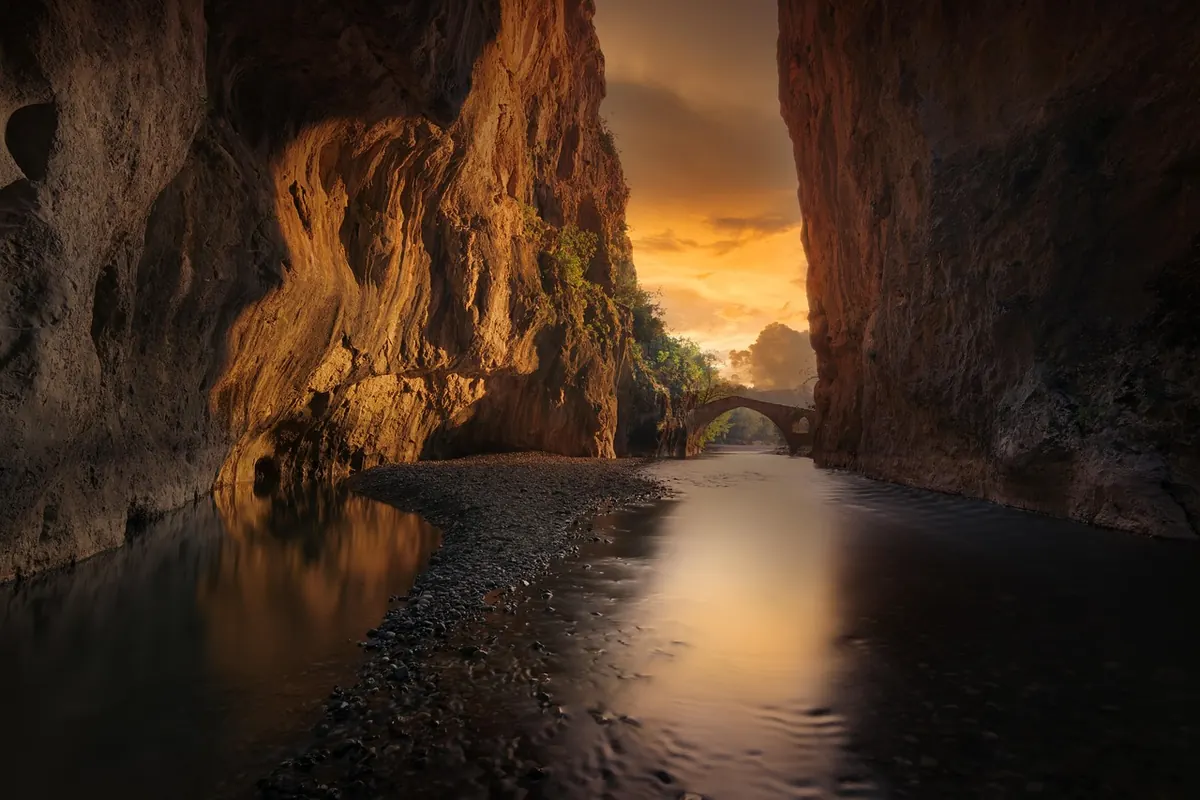
Photo: johnNaturePhotos / Pixabay